Leading an Oppositional Group in Collaborative Decision-Making
Mia Arter, Facilitator
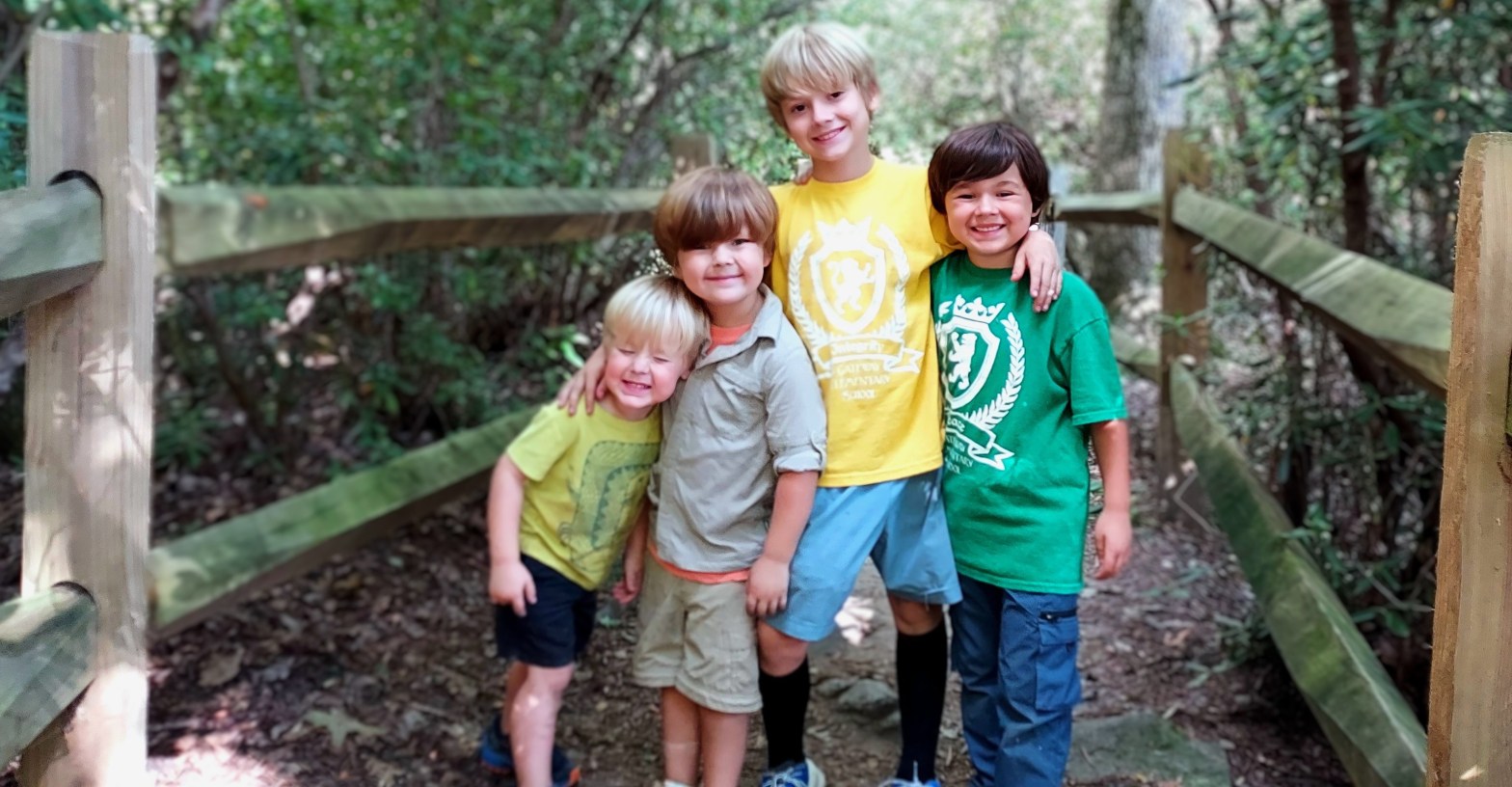
I am a mother of four tiny humans. They bring great joy, but they also bring great stress. One goal in my journey into consulting was to create more space for being present with my family, but I found it didn’t always come naturally. In trying to find my authentic parenting self, I found inspiration from my professional self.
At the core of my work, I facilitate groups of people to make decisions together. Organizations working for social change know that traditional decision-makers are not the sole holders of wisdom: the most impactful decisions are made by engaging those who will be directly affected. That process is easier with an outsider to guide things along.
It’s a beautiful process, and I’m honored by every invitation to be involved. So why can’t I guide my group of tiny stakeholders to consensus? Just agree that life is easier when we aren’t stepping on Legos on every trip down the hallway!
Collaborative Decision-Making for Parents*
Parents* are leaders. They are responsible for guiding a group of stakeholders towards an outcome. (*Parents, meaning biological or adoptive parents, caregivers, grandparents, aunts, uncles, and any adult who nurtures and supervises little humans.)
I reflected on the collaboration principles I use in my work, compared to my parenting style. I found some gaps: sharing authority was most glaring example. Collaborative decision-making is fundamentally a way to share power. When people make a decision together, they are experts at getting along, they feel committed to seeing it through, and they understand why they are doing it. That is exactly what I wanted from my kids, but I wasn’t willing to give up my authority to make the plan. “Just clean up!” I’d repeat.
In my professional practice, I also use a lot of techniques to harness the collective wisdom of the group. I ground the work in trust and relationships. I design activities that give people options to contribute in ways that work for their style. I design a process that goes slow at the beginning, so we can get on the same page about where we are going and why we are going there.
Sharing power and applying these techniques to my group of diverse and oppositional stakeholders actually worked! As it plays out, our work gets done, my children grow in their critical thinking and communication skills, and we build deeper connections.
Applied Examples
Our family ritual, that we call Kid Meetings, helps us come together. The meetings follow a consistent pattern: cuddles, telling, sharing, and then planning. Our theme: “First Item on the Agenda… Cuddles!”
Most Kid Meetings are held in order to discuss “The Plan for Today.” Spoiler alert: The Plan is not “play games all day” despite a passionate campaign from a few vocal meeting attendees.
A game-changing Kid Meeting was specifically to talk about tidying the house. It had been a point of tension, and we were all exhausted and ready to find a solution. The result of the meeting was a collaboratively designed process we now call “The Tidying Game.” And it has worked!
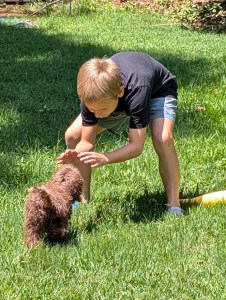
And recently, we had a series of meetings about preparing for our new puppy. A few days into her life with us, we had a “Puppy Training Strategy” session that resulted in a list of behaviors we want to encourage and a plan for how we will nurture those as a family. (I swear this post isn’t just a ploy to be able to share pictures of Tilly’s cuteness, but there are more pictures in the link.)
I will continue adding to this list as I continue to learn!
Reflections
Raising thoughtful humans is hard. Changing the world is hard. And so is every process that we take on with other humans.
But we can do some things to make it a little easier on ourselves:
- If you are guiding the process, be intentional in how people work together.
- Talk about why the topic is important before talking about what to do about it.
- Work on the solution collaboratively.
- Be open to unconventional ideas.
- If you have authority, give it up sometimes.
Any other insights I’m missing? I’ll be doing this parenting thing forever – and collaborative decision-making for as long as groups need me – so I will take all the advice I can get!
 Mia L. Arter Consulting
4 thoughts on “Lessons from Facilitation for Parents*”